Tire News & Information
Free shipping
Best price guarantee
SimpleCrew exclusive savings
0% APR Financing
Tire replacement coverage
24/7 roadside assistance
Easy returns
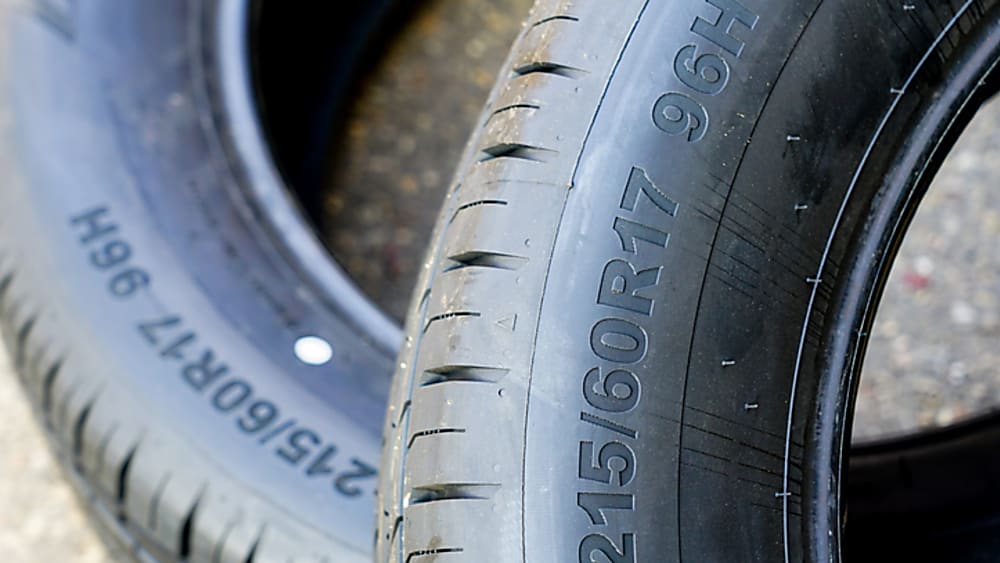
Understanding tire speed ratings is essential for maintaining vehicle safety and ensuring your tires can handle your specific driving habits. This guide explains how to decode these symbols and select the best performance match for your car.
Last updated 9/14/2026 - Originally published 2/25/2025
Written by Ankit Verma, Expertly reviewed by Brett Antosh
What are Tire Speed Ratings?
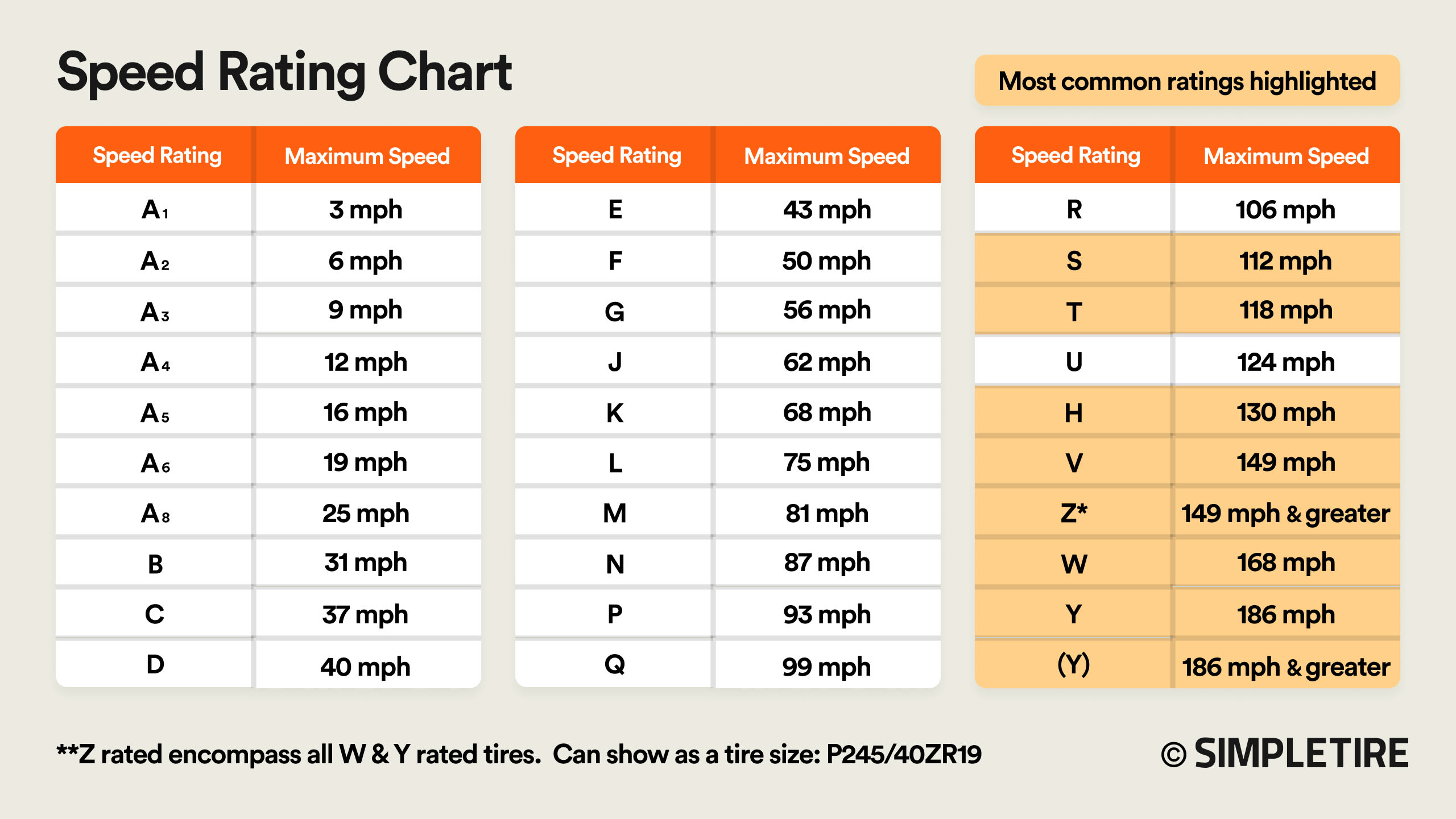
A tire speed rating indicates the maximum speed a tire can safely sustain over an extended period without compromising performance or safety. These ratings are determined through rigorous testing under controlled laboratory conditions to ensure structural integrity.
- Safety: Prevents heat buildup and potential tire failure at high velocities.
- Handling: Higher ratings often provide improved steering response and cornering stability.
- Compliance: Matching your vehicle’s original equipment (OE) specifications ensures optimal braking and electronic stability control performance.
Tire speed ratings are denoted by a letter, typically located at the end of the tire size information on the sidewall. While these ratings are based on ideal conditions, they are the industry standard for determining a tire's thermal limits.
How to Select the Best Speed Rating for Your Tires
Choosing the right speed rating involves understanding how it influences your vehicle's dynamics and longevity. Speed ratings not only determine how fast you can travel safely but also affect handling precision and the durability of the tread. Tires with higher speed ratings often deliver sharper handling and enhanced stability, which are beneficial for highway driving or performance-oriented use. However, it's essential to weigh these advantages against comfort and tire wear.
Review Your Vehicle's Specifications
Start by checking your vehicle’s manual or the tire placard on the driver's door jamb to find the manufacturer’s recommended speed rating for tires. These specifications are tailored to ensure the vehicle operates safely and efficiently with its intended design. Adhering to these guidelines is crucial—choosing a tire with a speed rating lower than recommended can adversely affect your vehicle's performance and safety. While opting for a higher rating isn't always necessary, it can offer benefits in responsiveness and control for passenger tires.
Analyze Your Driving Patterns

Consider your typical driving environment when selecting a speed rating. For those who drive primarily in city conditions, where speed limits are lower, a tire with a T rating (up to 118 mph) typically suffices. Conversely, if your driving involves frequent highway travel, ratings like H (up to 130 mph) or V (up to 149 mph) offer the stability required at higher speeds. Also, take into account the weather conditions you frequently encounter—tires with higher speed ratings often have designs that enhance traction and handling in varied conditions.
Where to Locate the Speed Rating on Tires
If you are looking at your current set, the speed rating on tires is found following the load index. For example, in the sequence "225/45R17 91V," the letter "V" is the speed rating. You should always ensure that replacement tires meet or exceed the letter rating currently installed on your vehicle to maintain the manufacturer's intended safety standards.
1. Check Vehicle Manufacturer's Recommendations
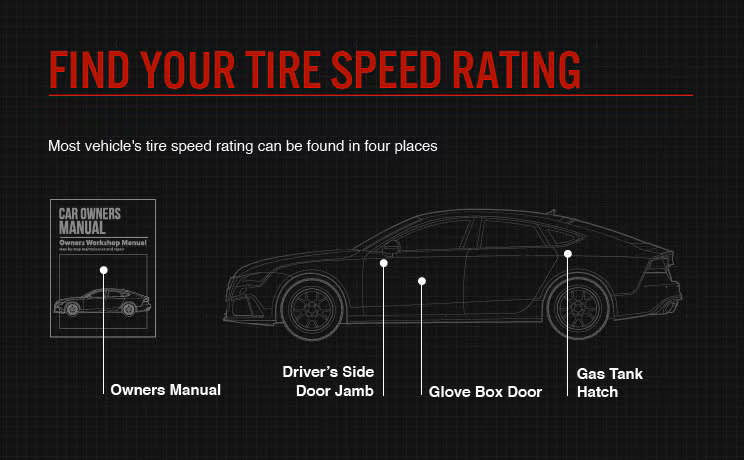
Examine the vehicle's manual or reference the tire placard located on the driver’s door frame. These sources contain specific speed rating details tailored to your vehicle’s design, ensuring the tires meet the necessary safety and performance standards. Following these guidelines supports the vehicle’s structural balance and optimal driving experience.
When selecting new tires, verify that the speed rating equals or surpasses the recommended levels. Using tires with a speed rating below the suggested threshold could impact critical elements like braking efficiency and steering precision. Check our latest tire deals to find the right match for your OEM requirements.
2. Understand the Differences Between Speed Ratings
Deciphering the specific distinctions between tire speed ratings helps ensure you choose a tire that matches your vehicle's needs. Each rating reflects different engineering choices designed to handle varying speed requirements.
Common Speed Rating for Tires Chart
- T Rating: Up to 118 mph. Common on family sedans and minivans.
- H Rating: Up to 130 mph. Strikes a balance between performance and comfort, making it ideal for sports coupes.
- V Rating: Up to 149 mph. Well-suited for performance vehicles needing enhanced stability at higher velocities.
- W/Y/ZR Rating: Up to 168+ mph. Designed for high-performance cars and exotic sports cars, delivering excellent traction and precision.
3. Consider the Impact on Tread Life and Comfort
Tire speed ratings play a crucial role in determining the lifespan of your tires and the comfort of your ride. Higher speed ratings frequently utilize advanced rubber compounds to boost grip and handling—excellent for performance driving but possibly leading to quicker tread wear compared to lower-rated tires.
Balancing Performance with Durability
Tires with higher speed ratings like V or W are designed to deliver exceptional responsiveness, appealing to drivers who prioritize dynamic driving. However, this focus on performance might require more frequent replacements. For long-lasting daily driving, many all-season tires use T or H ratings to maximize mileage.
- Handling vs. Durability: High-performance tires enhance driving precision but may experience increased wear due to softer compounds.
- Comfort and Flexibility: Lower speed-rated tires might offer a smoother ride due to their more pliable construction, better absorbing road irregularities.
4. Consult a Tire Professional

Engaging with a tire professional offers a wealth of insights that can refine your tire choices. These experts bring extensive knowledge about how various tire speed ratings correlate with performance attributes, allowing them to offer guidance tailored to your unique driving conditions.
Tire professionals are also adept at interpreting the tire load index, which is crucial for maintaining balance and stability. This index, when paired with speed ratings, plays a pivotal role in ensuring that your vehicle handles well, even when carrying heavier loads.
Selecting the right speed rating for your tires is a critical decision that impacts your vehicle's performance, safety, and comfort. By understanding the implications of different ratings and considering your driving habits, you can make an informed choice that aligns with your unique needs.
Ready to find the perfect tires? Shop for tires online with SimpleTire today and get the best price guarantee on your next set.
It is not recommended to mix speed ratings. If you must, ensure the lower-rated tires are placed on the front axle to prevent oversteer, though this will still limit your vehicle's overall top speed capability to the lowest-rated tire.
Not necessarily. While a higher rating offers better handling, it often comes with a stiffer sidewall and a shorter tread life. If you prioritize comfort and longevity for city driving, a standard T or H rating is often superior.
Ready to find the perfect tires?
Search By