Tire Maintenance & Safety
Free shipping
Best price guarantee
SimpleCrew exclusive savings
0% APR Financing
Tire replacement coverage
24/7 roadside assistance
Easy returns
Last updated 6/26/2026 - Originally published 3/13/2025
Written by Ankit Verma, Expertly reviewed by Brett Antosh
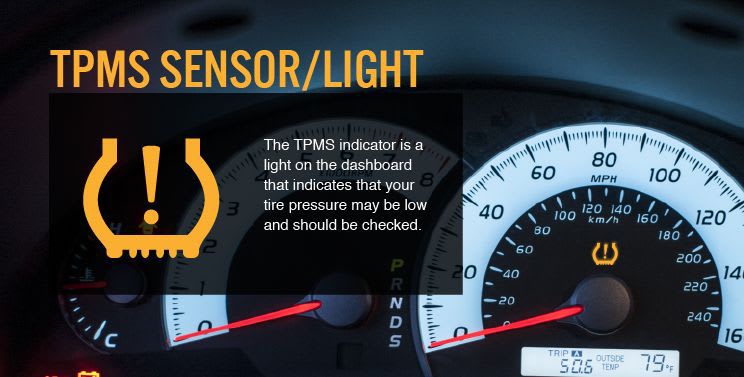
What Does Tire Pressure Sensor Fault Mean? Troubleshooting and Solutions
The Tire Pressure Monitoring System (TPMS) is a critical safety feature in modern vehicles that monitors air pressure to prevent accidents. Understanding what a tire pressure sensor fault means is essential for maintaining your car's performance and ensuring your safety on the road.
What is a Tire Pressure Sensor Fault?
A tire pressure sensor fault occurs when the vehicle's computer can no longer receive accurate data from one or more of the sensors located inside your wheels. This tire pressure monitor fault indicates a communication breakdown between the sensor and the car's central processing unit.
Key Features of a TPMS Fault:
- Warning Light: A yellow "(!)" icon that may flash for 60 to 90 seconds before staying solid.
- Inaccurate Data: The dashboard display shows "hyphens" or "zero" instead of actual PSI numbers.
- System Alert: A text message on the driver information center explicitly stating "TPMS Fault" or "tire sensor fault."
Why You Shouldn’t Ignore the Alert
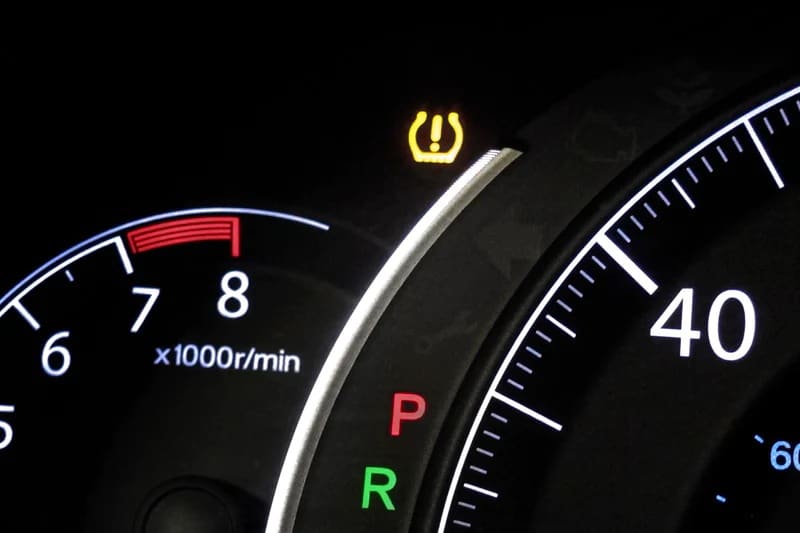
Understanding what a tire pressure sensor malfunction means is vital because ignoring it leads to significant risks. When the system fails, you lose the "early warning" for a flat tire. This can result in:
- Safety Risks: Underinflated all-season tires lead to poor handling, longer stopping distances, and potential blowouts.
- Decreased Fuel Efficiency: Low pressure increases rolling resistance, making your engine work harder.
- Reduced Tire Lifespan: Improper inflation causes uneven wear, forcing you to look for tire deals sooner than expected.
Common Causes of a Tire Pressure Monitor Fault
Before diving into repairs, it helps to know why a tire sensor fault happens. Most issues stem from three areas:
- Battery Depletion: TPMS sensors have internal batteries that typically last 5 to 10 years; once they die, the entire sensor must be replaced.
- Physical Damage: Road debris or a rough tire change can crack the sensor body.
- Environmental Factors: Extreme cold can cause temporary voltage drops in older sensor batteries, triggering a fault.
How to Troubleshoot a Tire Pressure Sensor Fault
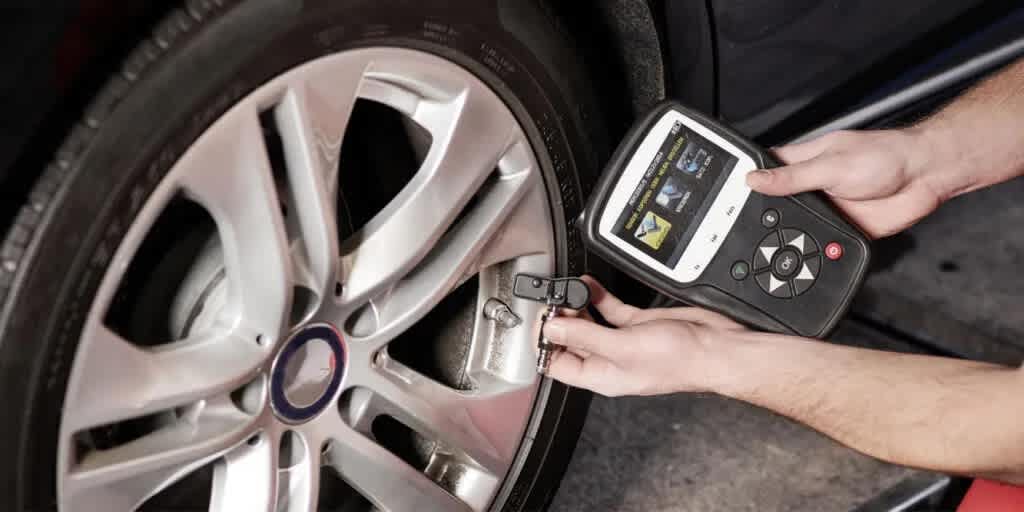
Effective troubleshooting involves identifying these common causes and applying targeted solutions. Keeping your TPMS in check prevents issues from becoming more severe.
Step 1: Reset the TPMS
Resetting the TPMS can often resolve temporary faults caused by electronic glitches. Refer to your vehicle's manual for specific instructions, as some cars require a specific button sequence while others reset after driving at a steady speed for 20 minutes.
Step 2: Verify Tire Inflation
Ensuring each tire is inflated to the correct pressure is crucial. Use a reliable gauge to measure and adjust pressures to the recommended settings found on your driver-side door jamb. This practice supports optimal driving conditions for your passenger tires.
Step 3: Examine Sensor Condition
Conduct a visual inspection of the valve stems. Look for corrosion, especially if you use brass valve cores in aluminum stems, which can cause "galvanic corrosion." Early detection preserves the integrity of your tire pressure readings.
Step 4: Replace Sensor Batteries
If you notice frequent alerts and your vehicle is over five years old, it might be time to replace the sensor. Since the batteries are sealed inside the sensor unit, you usually replace the entire component.
Step 5: Seek Expert Help
If basic troubleshooting doesn't work, a professional can use a TPMS "relearn" tool to ping each sensor individually. This determines if a specific sensor is dead or if the vehicle's receiver is at fault.
Tips on Maintaining TPMS Effectively
1. Regular Tire Pressure Checks
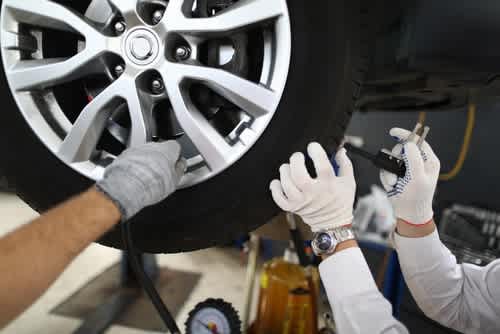
Frequent evaluation of tire pressure is crucial to sustaining your TPMS's efficiency. By routinely verifying inflation levels, you ensure they match the vehicle's specifications, bolstering the system's reliability. Integrating this into your vehicle maintenance can extend the life of both your tires and the TPMS.
2. Routine Sensor Inspections
Given their exposure to road hazards, sensors can become compromised. During routine tire rotations, ask your technician to assess each sensor's condition. Proactively addressing detected issues maintains the system's accuracy and helps avert costly repairs.
Summary of TPMS Health
Maintaining your TPMS is about more than just turning off a dashboard light; it is about ensuring your vehicle can communicate vital safety data. If your troubleshooting reveals that you need new equipment or a fresh set of rubber, we are here to help.
Ready to find the perfect tires or need expert advice? Explore our selection at SimpleTire to keep your vehicle running safely and smoothly.
Yes, the car is physically drivable, but it is not recommended. Without a functioning TPMS, you will not be alerted if a tire loses pressure rapidly, significantly increasing the risk of a high-speed blowout.
The cost typically ranges from $50 to $150 per sensor, including parts and labor. If the fault is simply due to incorrect pressure, the fix is free—just add air!
You may also be interested in:
Understanding Tire Size Meaning and Importance
Decipher tire size codes! Learn what each number means and why it matters for safety and performance. Find the perfect fit for your vehicle.
Written by SimpleTire
September 23, 2026
Tire shoulder: Overview & maintenance
The tire shoulder is located on the outside edge of the tread where it meets the sidewall. Get the complete information about what the tire shoulder, its importance and how to best maintain it only at SimpleTire.com.
Written by Irfan Khan
September 14, 2026
Is that white film normal? Understanding tire blooming and other aesthetic issues
Seeing a white film on your tires? Learn about tire blooming and other common aesthetic issues. Understand why they happen, if they're normal, and how to keep your tires looking great.
Written by Ankit Verma
September 14, 2026
Ready to find the perfect tires?
Search By