Tire Maintenance & Safety
What is a Lug Type Tire? Tread Design, Uses & Off-Road Benefits
Free shipping
Best price guarantee
SimpleCrew exclusive savings
0% APR Financing
Tire replacement coverage
24/7 roadside assistance
Easy returns
Tire Maintenance & Safety
Tire tread patterns play a crucial role in vehicle performance, with different designs serving specific purposes across various driving conditions. Among these specialized patterns, the lug type tire stands out as a distinctive design that has been essential to agricultural, construction, and off-road applications for decades. Understanding how this aggressive pattern functions is key to maximizing the efficiency of heavy-duty machinery.
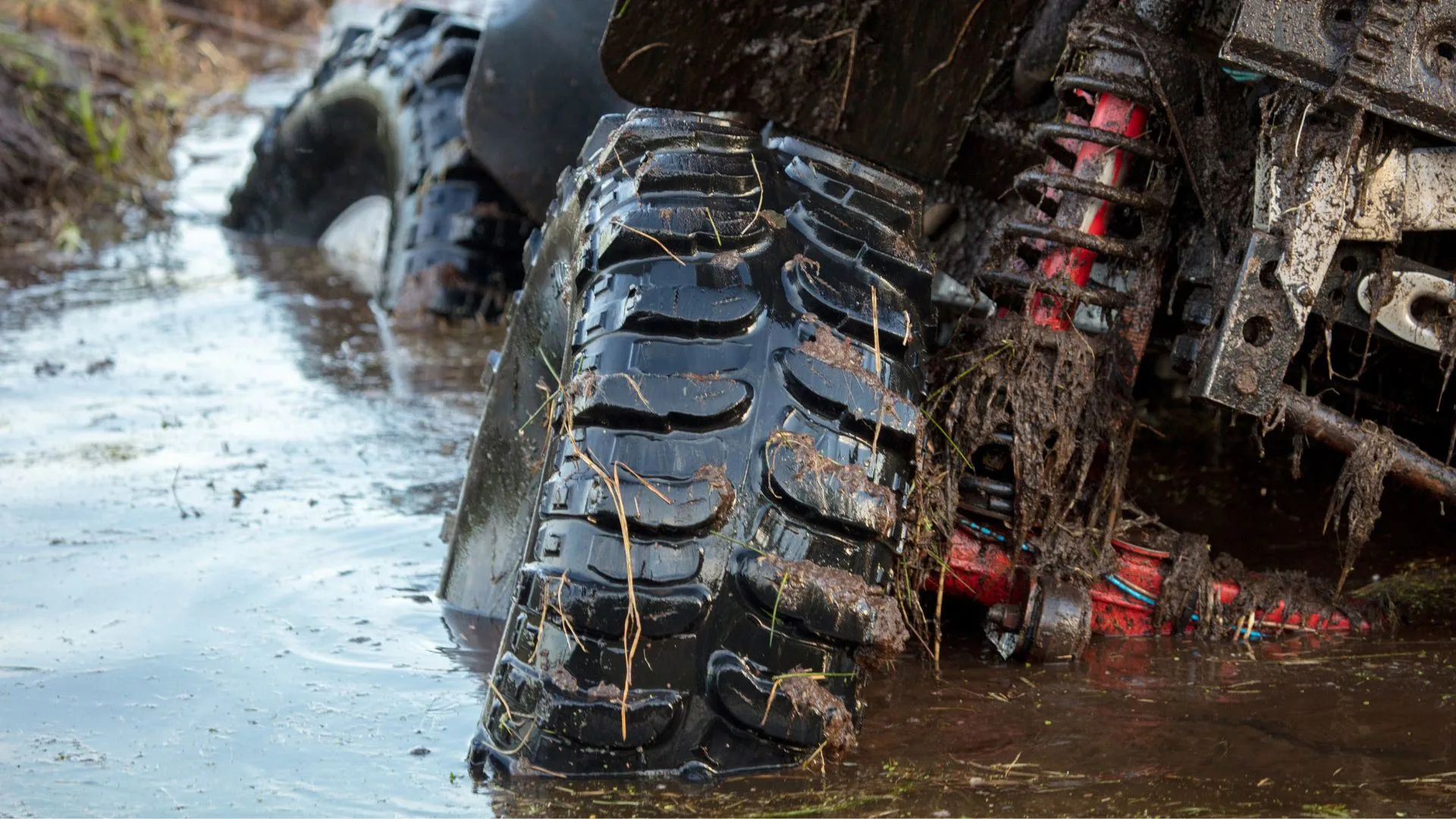
A lug type tire is a specialized tire design characterized by large, raised tread blocks—called lugs—that protrude significantly from the tire's surface. These chunky blocks create an aggressive pattern specifically engineered for maximum traction in loose, soft, or uneven terrain. Unlike the continuous ribs found on highway tires, a lug tire features distinct, separated blocks with deep voids between them.
Key Features of Lug Tread:

If you are wondering what a lug tread is, it is essentially a "traction-first" design philosophy. The term refers to the specific arrangement of these rubber blocks (lugs) that act like paddles to push through mud, soil, or gravel. While the term "lug tread" shares its name with a popular Canadian craft beer, in the automotive world, it represents a mechanical bond between the vehicle and the earth.
These tires commonly appear on agricultural tractors, construction equipment like the Advance Industrial Lug SST, and specialized off-road vehicles. The Power King Industrial Lug represents a prime example of this design philosophy: built tough for demanding applications where standard tires would fail.

The contrast between lug tread and conventional tire patterns becomes immediately apparent when examining their construction. Highway tires feature shallow tread depths—typically 8-10mm when new—with closely spaced ribs and sipes designed for maximum road contact.
A lug type tire takes the opposite approach: sacrificing on-road refinement for off-road capability. Where highway tires use intricate siping, lug treads employ:
This fundamental difference means lug tread tires generate more noise on pavement—a rhythmic thumping as each lug contacts the road. They also create more rolling resistance, but these trade-offs enable superior performance in muddy fields and loose gravel where conventional tires would simply spin.
In the agricultural world, lug tire designs prove essential for tractors and farm machinery. They deliver unparalleled traction across fields, making it easier to maneuver heavy equipment without slipping. By offering a firm grip, these tires ensure that operations continue smoothly, even when the ground becomes challenging to navigate. The self-cleaning design keeps them clear of mud, allowing farm operations to proceed during wet seasons without interruption.
For construction purposes, a lug type tire provides the stability and resilience needed on rugged job sites. These tires are specially designed for heavy machinery such as loaders and backhoes, offering reliable traction on uneven surfaces like gravel and dirt. The robust build supports the demands of heavy equipment, ensuring they can handle significant weights without compromising performance.
Lug tread tires excel in challenging terrains due to their innovative design. The deep grooves are engineered to penetrate soft surfaces, providing substantial grip where conventional tires struggle. The intentional spacing between the lugs plays a critical role; it allows loose material like dirt and rocks to be efficiently expelled, preventing obstruction and maintaining clean contact with the ground.
The self-cleaning ability of a lug type tire is a standout feature. As the tire rotates, centrifugal force aids in dislodging packed material, thus preserving the effectiveness of the tread pattern. By preventing the accumulation of obstructive material, these tires deliver consistent performance, allowing vehicles to operate efficiently without frequent interruptions for maintenance.
Selecting the correct lug tire depends on your specific application and the soil consistency you face daily.
Regular inspections ensure that lug tread tires continue to perform optimally. Start by examining the tire surface for any signs of damage, including cuts or abrasions between the lugs. Consistently checking tread depth is vital for spotting uneven wear, which may suggest issues with alignment or suspension.
Understanding lug type tire design empowers you to make informed decisions for your vehicle. The right tire pattern can dramatically improve performance, safety, and efficiency in challenging conditions. When you're ready to explore options that match your requirements, shop for tires online and find the best deals at SimpleTire, where our extensive selection helps you find the perfect fit.
A lug tread features deep, independent blocks designed for traction in soft soil, whereas a rib tread consists of continuous longitudinal bands designed for stability and fuel efficiency on paved roads.
While you can drive them on the highway, they are not optimized for it. You will experience significantly more road noise, vibration, and a decrease in fuel economy compared to standard highway tires.
You may also be interested in:
What Are Tire Sipes? Benefits & Types Explained for Better Traction
Learn the secrets of tire sipes! Know what sipes are, how these tiny cuts improve traction on wet, icy, and snowy roads, and why choosing the right siping is crucial for your tire's safety and performance.

Tire bead: Overview & maintenance
Your tire bead is the crucial inner circle of your vehicle's tire. Find out more about what the tire bead is and how to best maintain it and care for issues with it at Simpletire.com
Top Causes of Noisy Tires & How to Fix Them | SimpleTire
Tired of loud tires? Discover the common causes of tire noise, from wear and inflation to road conditions. Learn practical tips and solutions to quiet your ride and improve your driving experience.
Search By